
 SEARCH
 LIST YOUR PROPERTY

At the start of the 2026 academic year, finding a roof over one's head has once again become a real obstacle course for thousands of young people. The 2026 Italy high rent crisis is hitting families hard, as they struggle with persistent inflation and a chronic shortage of spaces in public university residences. At Roomlala, we see daily the difficulties students face in finding decent housing without compromising their budget, but also the growing willingness of hosts to turn toward more human-centric solutions.
Faced with this unprecedented crisis, the homestay is emerging not only as a financially viable alternative, but above all as a truly supportive approach. Let's analyze the realities of this tight rental market together and discover how intergenerational cohabitation allows for overcoming obstacles while building social connections.
Read also: 2026 High Rent Crisis: Why homestays are saving the school year for Italian students, Student housing in Flanders: What you need to know about the student lease for the 2026 school year and Start of the 2026 academic year in Italy: The advantages of Canone Concordato for renting out your room
2026 Italy high rent crisis: An overview of student housing
Milan, Florence, Rome: Cities where pressure is at its peak
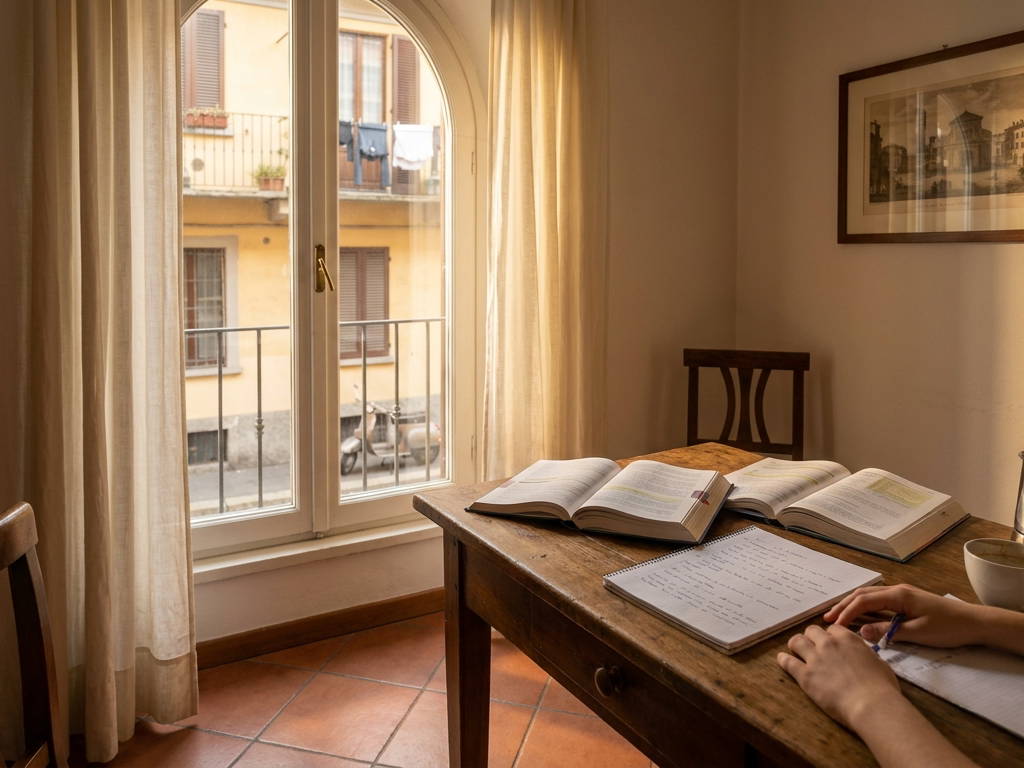
The student real estate market in Italy remains extremely polarized in 2026. Recent data, particularly from the Immobiliare.it Insights report from August 2026, confirm that Lombardy, Tuscany, and Lazio are experiencing the most intense pressure. Finding student housing in Milan is often a financial challenge: the Italian economic capital retains its title as the most expensive university city in the country, with an average rent reaching €704 per month for a simple single room. This amount, often out of reach for students on scholarships or from the middle class, perfectly illustrates the severity of the current crisis.
Just behind Milan, Florence shows an average of €627 per month, while Rome is not far behind. The Eternal City has seen prices climb by 7% over a year, setting the average at €615 for a room. In this context, looking for shared student housing in Rome or an independent studio becomes a major source of anxiety for young people and their parents. Families often have to dip into their savings or take out loans to ensure their children's right to education.
At Roomlala, we notice that this price surge pushes many students further from city centers, significantly lengthening their daily commute times. The student rent crisis in Italy is therefore not just a matter of numbers: it directly impacts the quality of life, mental health, and, ultimately, the academic success of "fuorisede" students (those studying outside their province of residence).
A misleading national decline and exceptions like Bologna
It would be inaccurate, however, to paint an uniformly grim picture of the peninsula. Nationwide, a slight decrease of 6.2% in student rents was observed in mid-2026. This statistic, while encouraging on paper, actually masks very strong regional disparities. The overall decline is often driven by mid-sized cities or southern Italy, where demand has stabilized, but it does not provide relief for highly attractive metropolitan areas.
However, some historic major cities are creating surprises. This is the case for Bologna, a quintessential university stronghold, which has experienced a beneficial rebalancing of its market. In 2026, student rents there recorded a drop of 7.5%. This decline is explained by new local regulation policies and a supply that was able to adapt, offering an unexpected breath of fresh air to young people enrolled at the Alma Mater Studiorum.
Despite these few exceptions, the overall situation remains alarming. General inflation and the rising cost of living make the situation unsustainable for many. It is precisely in this context of extreme tension that new forms of solidarity must take over. Traditional renting is showing its limits, paving the way for more flexible and collaborative alternatives.
Homestay in Italy: An economical and supportive response
Fighting the student rent crisis in Italy through mutual aid
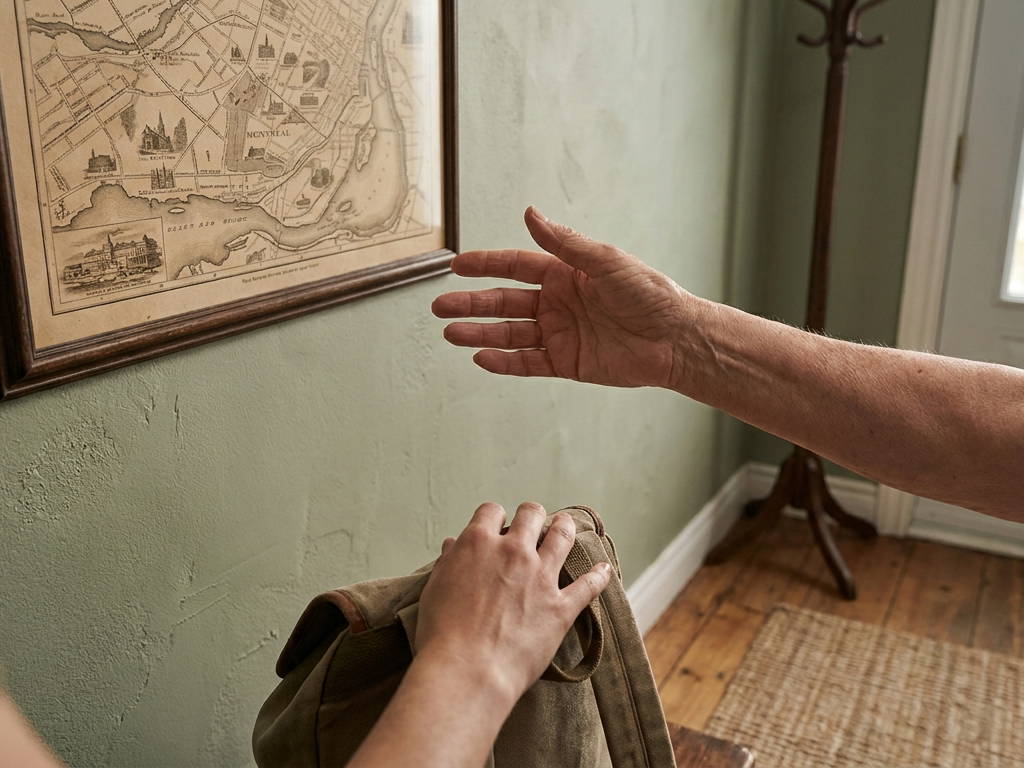
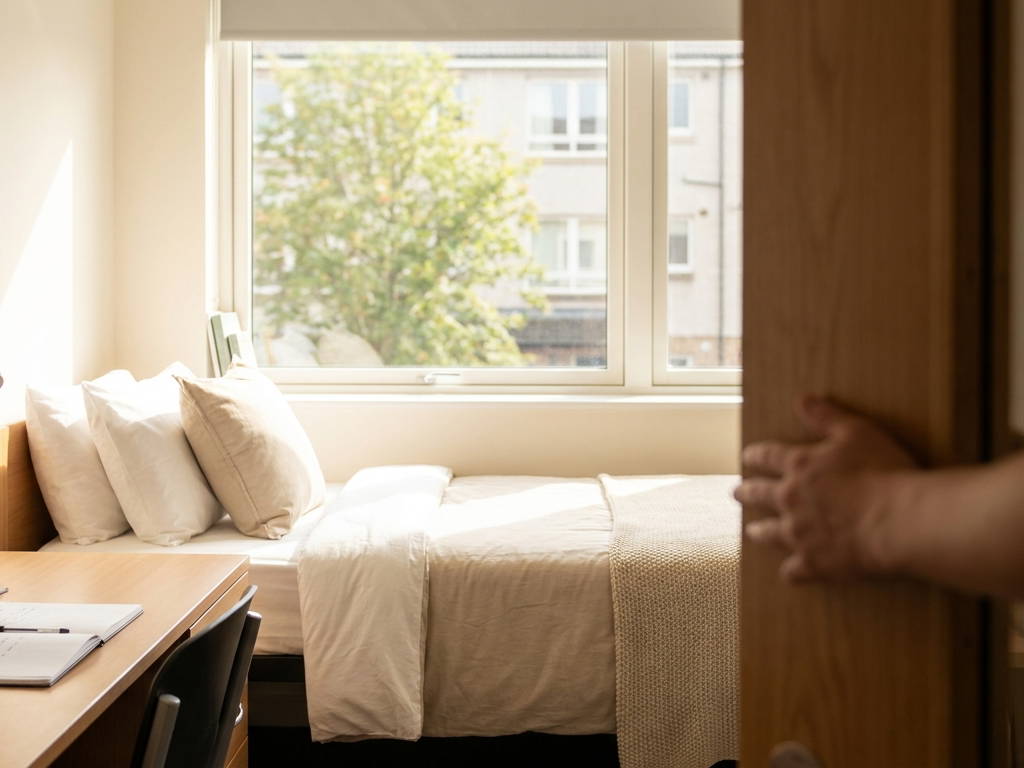
Faced with exorbitant rents, the homestay in Italy stands out as a pragmatic and immediate response. The principle is simple: a host (often a senior, but also families or working professionals) makes an unoccupied room in their home available in exchange for a moderate rent. At Roomlala, we firmly believe this approach is the key to defusing the current crisis. By splitting costs, the student gains access to comfortable, furnished, and often ideally located housing for a price significantly lower than that of the classic market.
For the host, the advantages are just as concrete. Welcoming a student generates a regular supplemental income, which is significant during a period of inflation to cope with rising energy bills or to supplement a pension. For example, Maria, a retiree living in the Città Studi neighborhood in Milan, rents out her guest room for €400 per month via our platform. This amount, well below the local average of €704, allows her to live more comfortably while offering a golden opportunity to her tenant.
This win-win dynamic is redefining the real estate market. It transforms dormant square footage into active solutions against student instability. By choosing this formula, hosts participate directly in the national effort for the right to education, proving that the sharing economy has a real social role to play.
Intergenerational housing: Much more than just rent
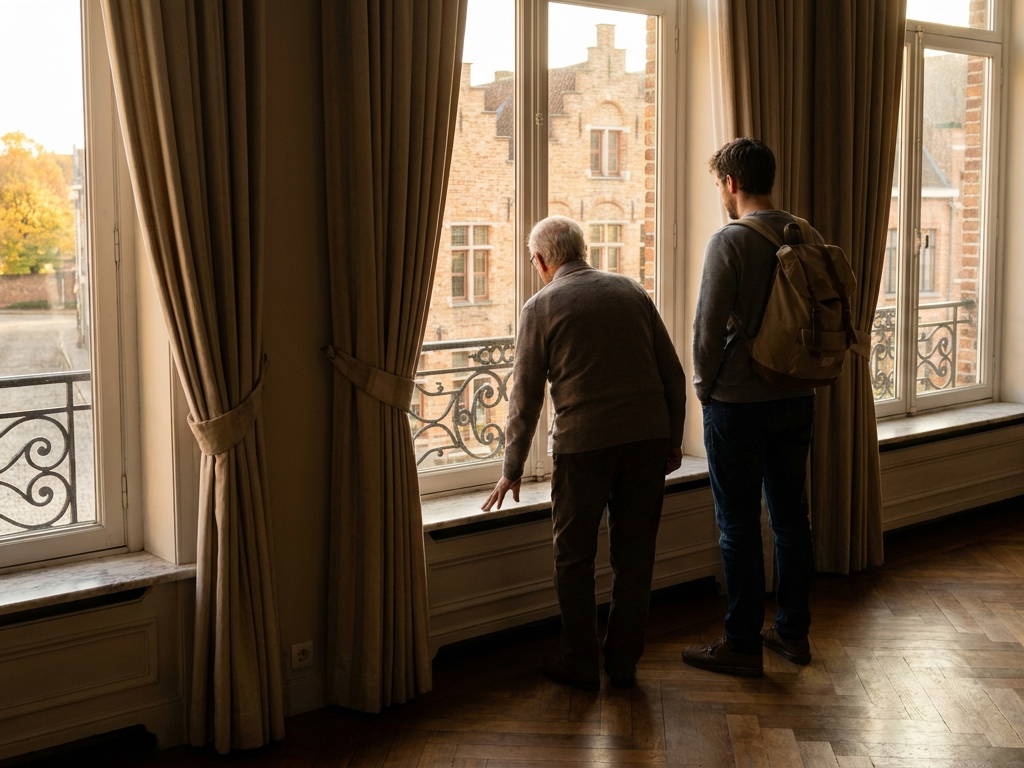
It would be reductive to limit the homestay to its financial aspect alone. Beyond the savings made, it is a human adventure of great richness. Intergenerational housing helps break the loneliness, a scourge that affects both isolated elderly people and young students uprooted from their family support systems. The presence of a young person in the home brings life, security, and encourages daily interaction.
At Roomlala, we receive many testimonials illustrating the beauty of these cohabitations. Hosts share their knowledge of the city, their traditional recipes, or their life experience, while students bring their dynamism, occasional help with new technologies, or simply a reassuring presence in the evening. A true supportive micro-society is created under the same roof.
For this experience to be a success, it relies on good manners, respect for each person's privacy, and open communication. We always encourage our users to chat thoroughly before committing to ensure that their lifestyles are compatible. Kindness and mutual aid then become the pillars of a successful shared housing experience, far removed from the anonymity of a large university residence.
Hosts: How to rent legally and enjoy tax benefits?
The "Contratto per studenti universitari": Flexibility and security
For Italian hosts, taking the leap into room rentals requires a secure framework. Fortunately, Italian legislation provides customized mechanisms. The "Contratto per studenti universitari" (lease for university students) is the perfect legal tool for this type of rental. This temporary contract is designed specifically to meet the needs related to the academic year, offering unparalleled flexibility.
This lease allows for renting a homestay room for a duration ranging from 6 to 36 months. This is a major advantage for a host who wishes, for example, to reclaim their room during the summer months or who does not want to commit for more than the duration of one school year. At Roomlala, we support our hosts in understanding these procedures, because a clear and official contract is the guarantee of a peaceful cohabitation.
Furthermore, this type of contract protects the host against unpaid rent and clearly defines the included utilities (water, electricity, internet). It is essential to stipulate in the contract the shared spaces (kitchen, bathroom) and the house rules. The official registration of the contract with the Agenzia delle Entrate is a mandatory step that opens the door to numerous tax benefits, while actively fighting against the scourge of the black market.
Cedolare Secca and Canone Concordato: Easing your taxes
One of the major obstacles to legal renting is often the fear of the tax burden. However, the Italian government has put in place very attractive mechanisms to encourage hosts to offer affordable rents. The first is the "Canone Concordato" (regulated rent). By agreeing to rent their room at a capped rate, set by territorial agreements between landlord and tenant unions, the host benefits from significant tax reductions.
Combined with the "Cedolare Secca," this mechanism becomes extremely profitable. The Cedolare Secca is a flat-rate tax (often reduced to 10% in the context of a student contract with a regulated rent) that replaces the traditional IRPEF, regional taxes, and contract registration fees. This means that rental income does not increase the host's overall tax bracket.
Let's take a concrete example: by renting a room for €350 per month with a student contract under Cedolare Secca, a host in Rome will keep almost all of their rental income, while paying a minimal and flat tax. These legal provisions demonstrate that it is entirely possible to participate in resolving the housing crisis while optimizing one's assets in a legal and secure manner.
"Fuorisede" students: Aid to lighten your budget
The 19% IRPEF deduction: An argument against the black market
While hosts benefit from tax advantages, "fuorisede" students (those whose university is located at least 100 km from their municipality of residence, or in another province) are not left out. The Italian state allows a 19% tax deduction on IRPEF for expenses related to student rent. In 2026, this deduction is capped at a maximum amount of €2,633 per year.
In practical terms, this means that a student (or their parents, if they are still their tax dependents) can recover up to approximately €500 per year in taxes. This is a considerable financial breath of fresh air. However, and this is a crucial point of vigilance: this deduction is only applicable if the rental contract is official, duly registered, and the payments are traceable (bank transfers).
This is the best argument for refusing "off-the-books" (in nero) rentals, which are unfortunately still too frequent. Accepting an undeclared rental means depriving yourself of this tax deduction, but also of any legal protection in the event of a dispute with the host (arbitrary eviction, abusive security deposit withholding). At Roomlala, we advocate for total transparency and legal security to protect our tenants.
Finding your student housing with Roomlala
The student rent crisis requires innovative and secure solutions. Whether you are looking for a room in Milan, Florence, or Rome, Roomlala centralizes thousands of verified listings to facilitate your 2026 academic year. Our platform directly connects trusted hosts and students in search of a warm home.
To optimize your search, we advise you to:
- Anticipate: Don't wait until the end of the summer. The best homestay offers are taken starting in June.
- Polish your profile: Introduce yourself in detail, explain your studies, your passions, and your habits. A host will be more inclined to accept a student who inspires trust and friendliness.
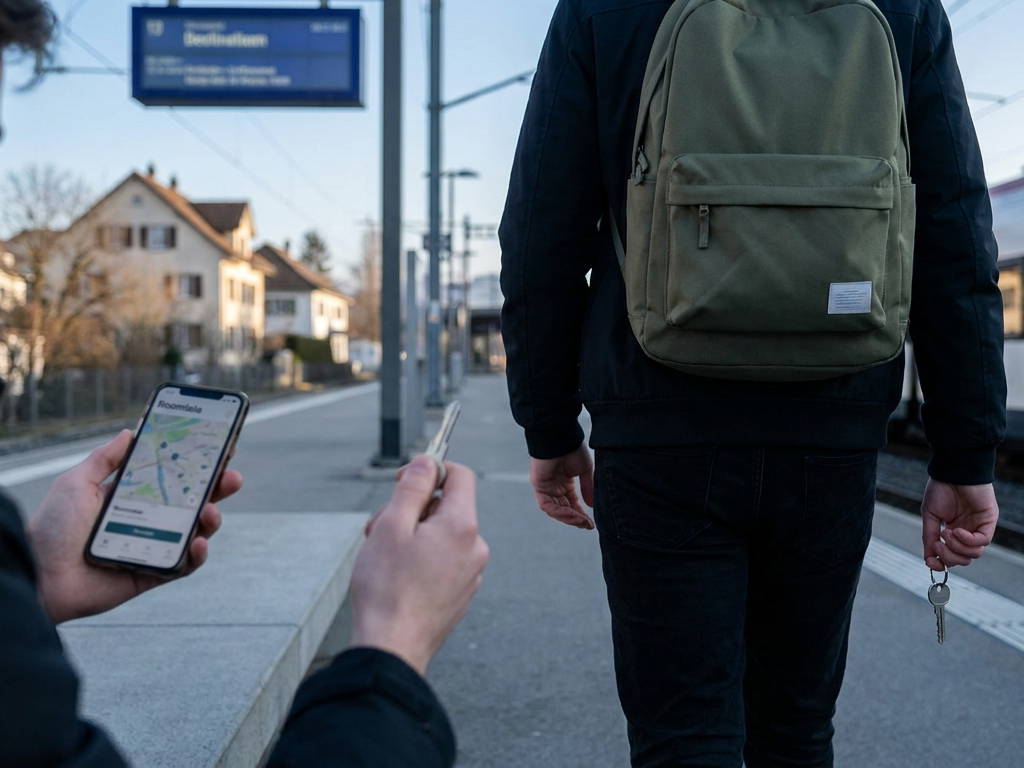
- Expand your search area: Thanks to the excellent public transport networks in major Italian cities, moving a few subway stops away often allows you to find much softer rents.
- Prioritize human contact: Communicate via our secure messaging system, ask questions about the host's lifestyle, and make sure your expectations are aligned.
The "Caro affitti" is not inevitable. By choosing intergenerational renting and the homestay, you opt for a solution that makes sense, preserves your budget, and enriches your university experience on a human and cultural level.

There are no comments yet.
Leave a comment
You must be logged in to post a comment.