
 SEARCH
 LIST YOUR PROPERTY
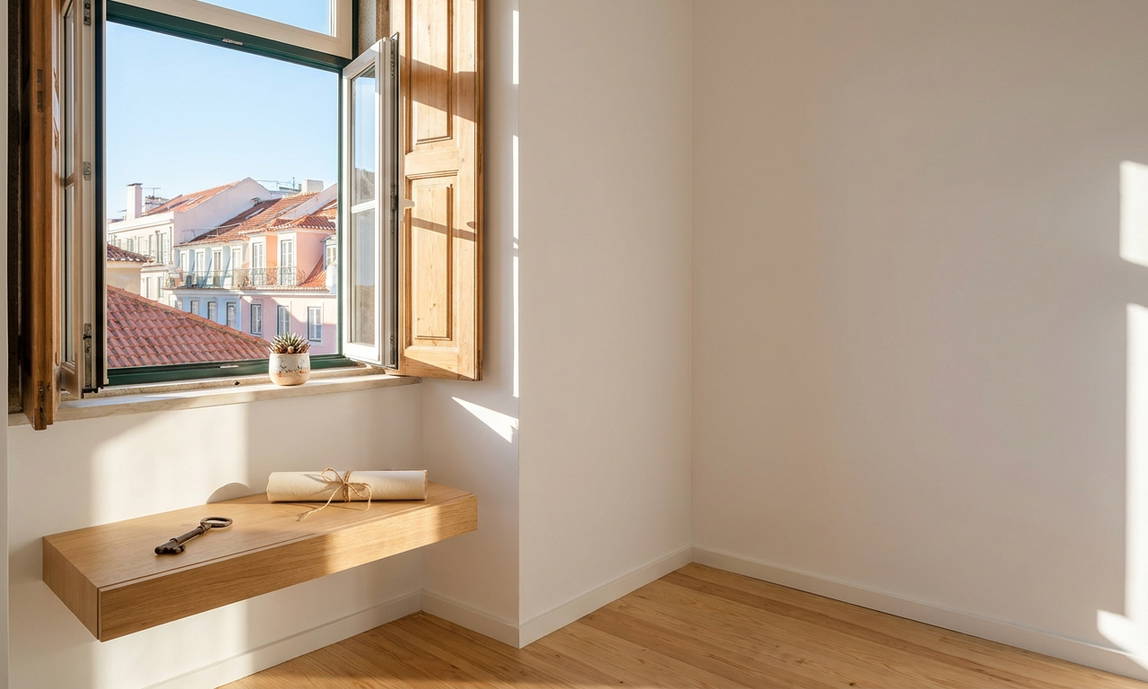
Do you have an unused room in your home or apartment in Portugal? In an economic context marked by inflation and an unprecedented housing crisis, many homeowners are looking for solutions to generate extra income. At Roomlala, we know that taking the step of homestay hosting can sometimes raise questions, particularly regarding administrative and tax matters. Good news: the 2026 Portugal room rental tax policy has been completely redesigned by the government to benefit you significantly. To encourage putting housing and rooms on the market for long-term stays, the Portuguese state has deployed an arsenal of highly incentivized tax measures. Gone are the days when taxes gobbled up the majority of your rental income! Today, renting a room in your home in Portugal has never been safer, more legal, and above all, more profitable. In this comprehensive article, we break down the very latest legislative developments for you. You will discover how to optimize your returns, drastically reduce your income tax (IRS), and secure your process through long-term leases.
Portugal Housing Law 2026: The new tax landscape for homeowners
To understand the opportunity available to you this year, we must look at the recent Portugal Housing Law 2026. Faced with a shortage of affordable housing, particularly in cities like Lisbon, Porto, or Faro, the government has enacted Decreto-Lei n.º 97/2026. This new tax package has a clear goal: to discourage short-term tourist rentals in favor of traditional residential rentals. At Roomlala, we observe that this transition perfectly matches the expectations of our community, which is looking for stable accommodations for students or young professionals.
Read also: Back to school 2026 in Portugal: The legal guide to student room rental agreements, Student housing Canada 2026: What is the impact of the new cap on room rentals? and Student housing shortage in Switzerland: Homestays, a vital solution for 2026
Historically, rental income (category F of the IRS) was taxed at a flat rate of 28%. In 2026, the standard rate was lowered and set at 25%. This is already a first victory for your purchasing power. However, applying this standard 25% rate would be a strategic error if you intend to rent long-term. The legislator has indeed implemented an extremely powerful system of regressive tiers. The longer you commit to your tenant, the more your tax burden lightens. This philosophy aims to stabilize the market and offer peace of mind to both the tenant and the host homeowner.
It is essential to note that homestay rentals in Portugal fall fully under the scope of these measures. Whether you are renting out a converted annex, an unoccupied master suite, or a simple student room, the income generated is eligible for these tax reductions, provided that declaration rules are followed. We will look in detail at how these scales work and how you can, in certain cases, reduce your tax to zero.
Long-term rental IRS reduction: Detailed scales for 2026
The long-term rental IRS reduction is the heart of the new tax system. The Portuguese government has segmented the benefits according to the length of the lease agreement you sign with your tenant. At Roomlala, we often encourage our hosts to prioritize student rentals for a full academic year, or multi-year leases for young professionals, in order to maximize these benefits.
Abatements according to lease duration
If you opt for a traditional rental contract, the 25% tax rate literally melts away as the duration of the lease increases. Here are the official tiers in effect for 2026:
- From 5 to 10 years: The tax rate drops from 25% to just 15%. This is a massive reduction that automatically increases your net profitability.
- From 10 to 20 years: The rate falls to 10%. Ideal if you are hosting a trusted tenant who wishes to settle in for the long term.
- Over 20 years: The rate is reduced to a symbolic level of 5%.
Let's take a concrete example to illustrate this. Imagine Maria, a homeowner in Lisbon, rents a room in her apartment for €400 per month to a master's student, with a 5-year renewable contract. Instead of paying €1,200 in IRS annually (at the 25% rate), she will only pay €720 (at the 15% rate). That is a net saving of €480 per year, simply by formalizing a contract for the right duration.
The special "moderate rent" rate and total exemption (RSAA)
But the real revolution of the 2026 law lies in the affordable rent schemes. The government has introduced a special ultra-reduced rate of 10% for all so-called "moderate rent" residential contracts. To benefit from this, the rent for the room (or the entire home) must not exceed a monthly cap set at €2,300. In the context of a homestay rental, this cap is extremely broad and almost always allows you to be eligible for this 10% rate.
Even better: the new Simplified Affordable Rental Regime (RSAA). If you agree to rent your room at a rate 20% lower than the median rent in your municipality, and you sign a lease of at least 3 years, you benefit from a total IRS exemption (0% rate). For example, if João in Porto finds that the median rent for a room in his neighborhood is €500, and he decides to offer his on Roomlala for €400 with a 3-year lease, he will pay absolutely no tax on that income. This is a win-win strategy: the tenant gains access to affordable housing, and the homeowner maximizes their net return while avoiding rental vacancy.
Portugal room rental tax 2026: How to optimize your deductions and make your space profitable?
In addition to rate reductions, the 2026 Portugal room rental tax allows you to optimize your taxable base. Indeed, the Portuguese Tax Authority (AT) allows homeowners to deduct a number of expenses from their gross rental income. This is an often overlooked aspect of homestay rentals, but it proves to be formidably effective in lowering the tax bill.
Deductible expenses from your gross rental income
When you rent out part of your primary residence, you cannot deduct all household expenses. However, you are fully entitled to deduct these expenses pro-rata based on the rented surface area. Eligible expenses in 2026 include:
- IMI (Imposto Municipal sobre Imóveis): The equivalent of property tax.
- Homeowners insurance: Mandatory and provides security for your home.
- Condo fees: If you live in an apartment building.
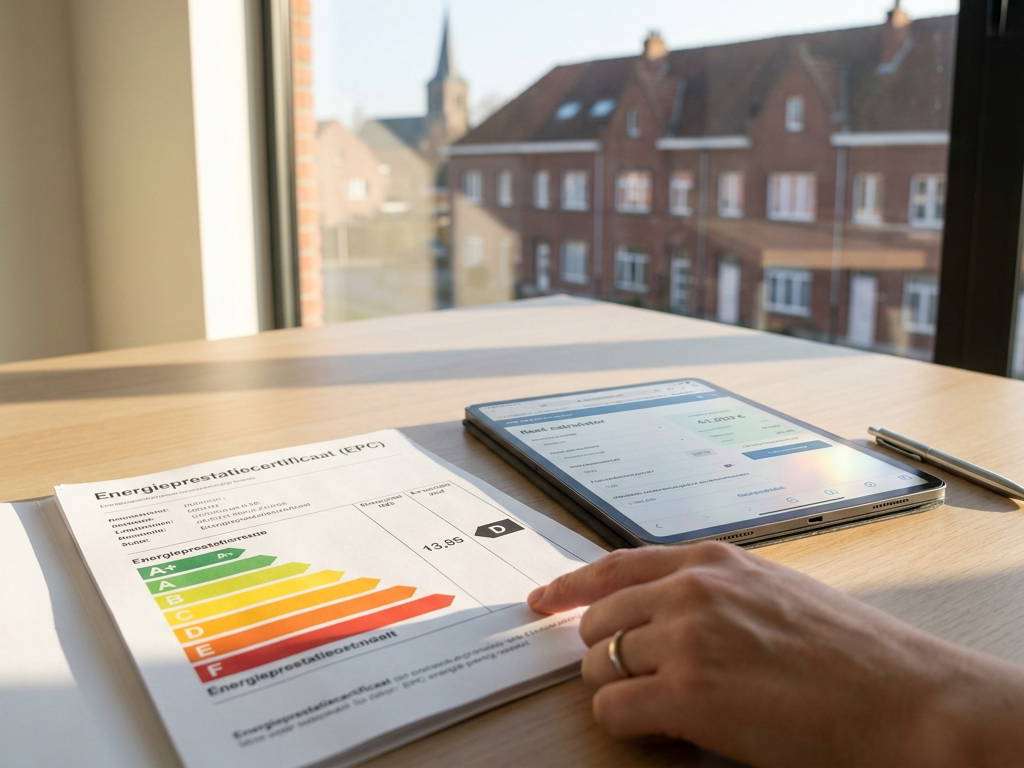
- Energy certificate: Required for putting a property up for rent.
- Maintenance and repair work: Painting, plumbing, electricity for the rented room.
Imagine your apartment is 100 m² and the rented room represents 15 m², with shared access to common areas valued at an additional 10 m². You are therefore renting out approximately 25% of your living space. You will be able to legally deduct 25% of your IMI bill, 25% of your condo fees, and 25% of your insurance premium from your gross rental income before tax is calculated. At Roomlala, we advise you to carefully keep all your invoices (faturas com NIF) to justify these deductions during your annual IRS declaration.
Enhanced attractiveness for tenants: an asset for homeowners
Why is it so crucial to offer a proper, formal contract? Simply because tenants have become extremely demanding on this point, and for good reason: the 2026 Portugal Housing Law has also considered them. The IRS tax deduction cap for tenants has been significantly increased, going from €700 to €900 annually. A student or young professional tenant therefore has a major financial interest in requiring an official contract and electronic receipts. By renting your room in a completely transparent and declared manner on Roomlala, you attract the best profiles: those who are solvent, serious, and eager to settle in long-term to benefit from their own tax advantages.
Legal points of vigilance to secure your tax advantages with Roomlala
While the legal framework is particularly generous, it requires impeccable administrative rigor in return. The Portuguese government is actively fighting against the underground economy, and failure to follow procedures leads to the immediate loss of IRS reductions, with an automatic return to the punitive standard rate, accompanied by possible fines.
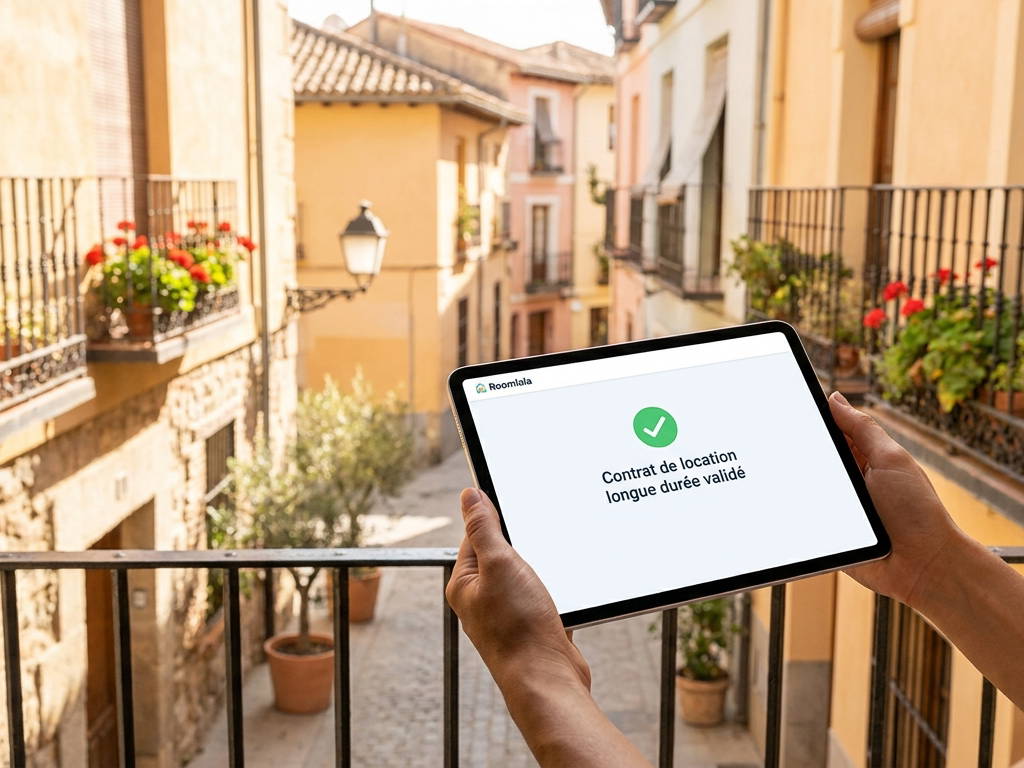
The first point of absolute vigilance concerns contract registration. For the long-term rental IRS reduction to apply, your lease agreement must imperatively be registered on the Portal das Finanças within a maximum of 30 days after signing. It is also mandatory to issue electronic rent receipts (recibos de renda eletrónicos) each month via this same portal. At Roomlala, we facilitate connections with trusted tenants, but it is up to you to finalize this simple yet mandatory administrative step with the Tax Authority.
Next, it is crucial to distinguish residential rentals from tourist rentals. Short-term rentals under the Alojamento Local (AL) regime are strictly excluded from these tax benefits. To benefit from the reduced rates (15%, 10%, 5%, or 0% via the RSAA), the room must necessarily serve as the tenant's permanent primary residence, or as long-term student housing. Seasonal contracts for a few weeks for vacationers are not eligible.
Finally, be vigilant regarding rent caps if you are targeting the 10% rate or the RSAA exemption. Failure to respect the authorized maximum amounts or failing to communicate contracts to the AT will retroactively cancel your benefits. In conclusion, renting a room in your primary residence in Portugal in 2026 is a fantastic financial opportunity. By relying on a secure platform like Roomlala to find the ideal tenant and scrupulously respecting registration procedures, you ensure stable, sustainable, and tax-optimized additional income. Do not wait any longer to value your unoccupied space and actively participate in the housing solution in Portugal!




There are no comments yet.
Leave a comment
You must be logged in to post a comment.